City guide

Tokyo東京

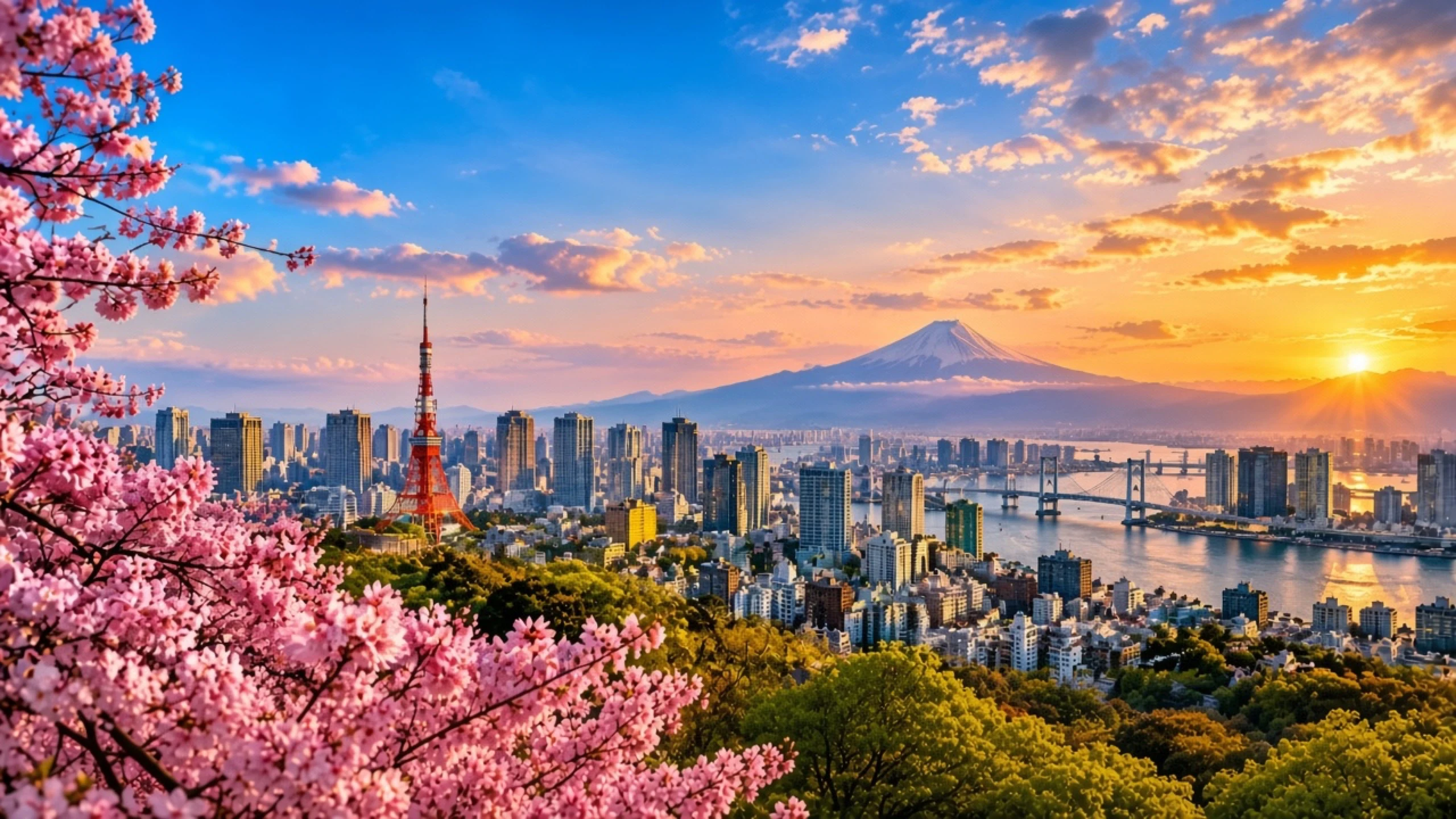
Tokyo towers and streets in soft evening light
Photo: XingAI Travel

First time in Tokyo?

Tokyo's first-visit centre is a long east–west strip: temple streets in Asakusa, museums and markets around Ueno, the Marunouchi–Ginza core, then Shibuya and Shinjuku. A good first day is choosing which stretch of that line to walk, and which to skip.

Not listed here: opening hours, prices, closures and events. They change, so check them before you go.

Places worth knowing

20 places across 6 areas. Every fact links to its source.

Sensō-ji浅草寺

Asakusa

  • Iconic
  • Culture
  • Photo spots

Tokyo's oldest Buddhist temple, in Asakusa. Tradition holds that it was founded in 628 after fishermen found a statue of Kannon in the Sumida River; the present main hall was rebuilt after World War II.

Indoors & outdoors · Best in the morning · 40–75 min (estimate)

2 sources
Open in maps

Kaminarimon雷門

Asakusa

  • Iconic
  • Photo spots

The outer gate of Sensō-ji on Nakamise-dōri, known for a large red chōchin lantern. The present gate dates from a 1960 reconstruction; the lantern is replaced periodically.

Outdoors · Any time · 10–20 min (estimate)

2 sources
Open in maps

Tokyo Skytree東京スカイツリー

Asakusa

  • Iconic
  • Photo spots

A broadcasting and observation tower in Sumida, completed in 2012. At 634 m it is the tallest structure in Japan; the two public observation decks are at about 350 m and 450 m.

Indoors · Best at sunset · 60–120 min (estimate)

2 sources
Open in maps

Tokyo Station東京駅

Ginza & Tokyo Station

  • Iconic
  • Photo spots
  • Culture

The central railway station in Marunouchi, opened in 1914. Its restored red-brick Marunouchi façade faces the Imperial Palace gardens; the station is a major hub for Shinkansen and local lines.

Indoors & outdoors · Any time · 20–40 min (estimate)

2 sources
Open in maps

Ginza銀座

Ginza & Tokyo Station

  • Iconic
  • Photo spots
  • Local life

A district in Chūō known for upscale retail and department stores along Chūō-dōri. It was rebuilt as a brick town after the 1872 fire and remains one of Tokyo's main commercial centres.

Indoors & outdoors · Best in daytime · 40–75 min (estimate)

2 sources
Open in maps

Shibuya Crossing渋谷スクランブル交差点

Shibuya & Harajuku

  • Iconic
  • Photo spots
  • Night

The scramble crossing in front of Shibuya Station's Hachikō Exit, where pedestrians from all directions cross at once. It is one of Tokyo's most filmed street scenes.

Outdoors · Best in the evening · 15–30 min (estimate)

Meiji Shrine明治神宮

Shibuya & Harajuku

  • Iconic
  • Culture
  • Nature

A Shinto shrine in Shibuya dedicated to Emperor Meiji and Empress Shōken, established in 1920. The shrine forest was planted with roughly 100,000 trees donated from across Japan.

Outdoors · Best in the morning · 40–75 min (estimate)

2 sources
Open in maps

Tokyo Metropolitan Government Building東京都庁舎

Shinjuku

  • Iconic
  • Photo spots
  • Night

The twin-tower headquarters of the Tokyo Metropolitan Government in Nishi-Shinjuku, designed by Kenzo Tange and completed in 1991. Free observation decks on the north and south towers overlook the city.

Indoors · Best at sunset · 40–75 min (estimate)

3 ways to experience Tokyo

None of them is “the best”. Each one gives up something to get something else.

Essentials Tokyo

One east-to-west first day: temple and tower in Asakusa, the brick station façade, then Shibuya's crossing and Meiji Shrine.

Why this route

  • • It covers the three first-visit poles most people mean by “Tokyo”: Asakusa, the central station axis, and Shibuya.
  • • Clusters run east to west with no backtracking: Asakusa → Tokyo Station → Shibuya.
  • • You get both a temple courtyard and a modern observation tower before the city densifies westward.

Good for

  • A first visit with one day
  • Getting your bearings before exploring on your own
  • Mix of temple, skyline and street energy

Trade-offs

  • • These are the city's best-known stops, so expect queues at Skytree and crowds at the crossing.
  • • It skips Shinjuku nightlife and Ueno's museums entirely.
  • • Four stops are outdoors. Heavy rain dulls Nakamise, the crossing and the shrine forest.

Adjust this route

Simple rules over the places on this page. Nothing is generated, and every change says why.

Map

Tokyo BayAsakusaUenoAkihabaraGinza & Tokyo StationShibuya & HarajukuShinjukuKaminarimonUeno ParkTokyo National MuseumAmeya-YokochōNezu ShrineAkihabaraImperial Palace East GardensGinzaTsukiji Outer MarketTakeshita StreetShinjuku GyoenTokyo Metropolitan Government BuildingOmoide YokochoGolden Gai123456

Schematic map, not for navigation. Use “Open in maps” for directions.

Stop by stop

All times are estimates.

  1. About 50 min hereOpen in maps
    About this place (sourced)

    Tokyo's oldest Buddhist temple, in Asakusa. Tradition holds that it was founded in 628 after fishermen found a statue of Kannon in the Sumida River; the present main hall was rebuilt after World War II.

    2 sources
  2. About 5 min by walking

    About 25 min hereOpen in mapsApproximate point for the area
    About this place (sourced)

    The approach street between Kaminarimon and Sensō-ji's inner gate, lined with shops selling snacks and souvenirs. It is among the oldest shopping streets tied to a temple approach in Japan.

  3. About 20 min by walking

    About 1 h hereOpen in maps
    About this place (sourced)

    A broadcasting and observation tower in Sumida, completed in 2012. At 634 m it is the tallest structure in Japan; the two public observation decks are at about 350 m and 450 m.

    2 sources
  4. About 30 min by MTR

    About 25 min hereOpen in maps
    About this place (sourced)

    The central railway station in Marunouchi, opened in 1914. Its restored red-brick Marunouchi façade faces the Imperial Palace gardens; the station is a major hub for Shinkansen and local lines.

    2 sources
  5. About 25 min by MTR

    About 25 min hereOpen in maps
    About this place (sourced)

    The scramble crossing in front of Shibuya Station's Hachikō Exit, where pedestrians from all directions cross at once. It is one of Tokyo's most filmed street scenes.

    2 sources
  6. About 30 min by walking

    About 50 min hereOpen in maps
    About this place (sourced)

    A Shinto shrine in Shibuya dedicated to Emperor Meiji and Empress Shōken, established in 1920. The shrine forest was planted with roughly 100,000 trees donated from across Japan.

    2 sources

Your trip, not this guide

Is Tokyo right for your trip?

This page shows places and day routes. To decide whether Tokyo fits you — against alternatives — add your origin, dates, budget, and what matters.

Build my Tokyo decision

What this page does not cover

We only list facts that stay true. These change too often to show without a live source:

  • Opening hours and closing days
  • Ticket prices and fees
  • Events, festivals and temporary closures
  • Live transit, weather and crowds